


Basics
What Is a Loop-Free Parking Control System?
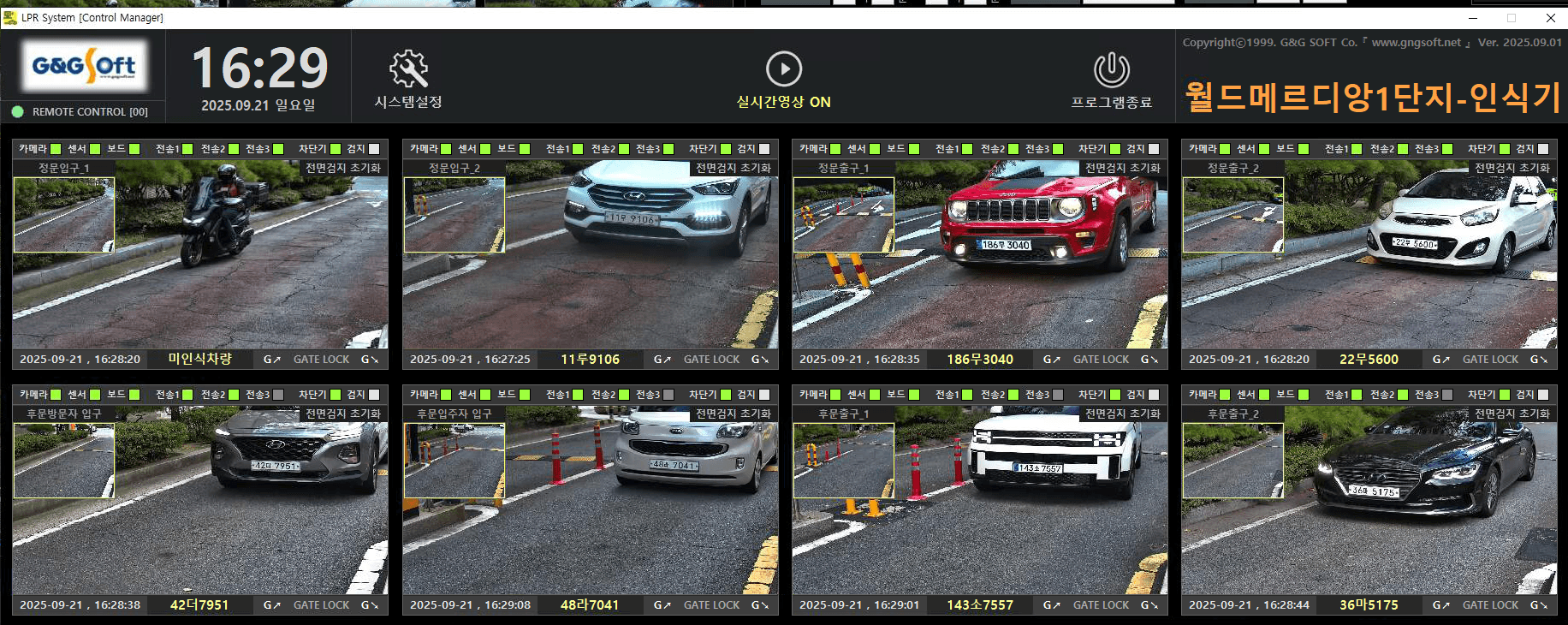
A loop-free system uses camera video to detect a vehicle and its direction instead of burying a detection loop in the road.
Read guidePractical answers for site constraints, technology selection and unmanned operation.
These guides explain both suitable conditions and limitations based on G&G Soft field experience. Each page starts with a direct answer and follows with evidence and a checklist.
8 published guides
A loop-free system uses camera video to detect a vehicle and its direction instead of burying a detection loop in the road.
Read guide
Loops detect a vehicle through a sensor buried in the road; a loop-free system evaluates the vehicle and direction in camera video.
Read guide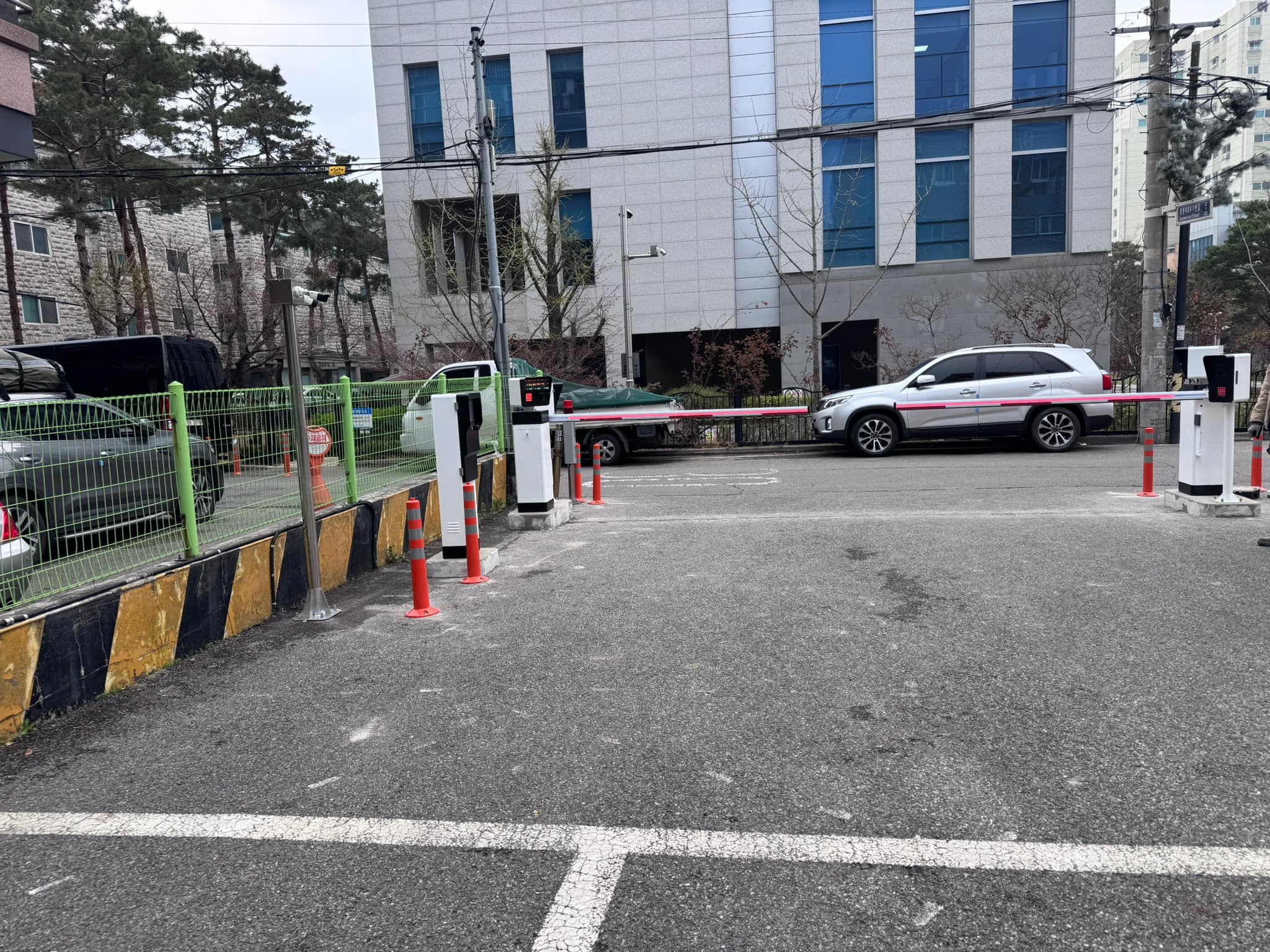
At a narrow entrance, the system must begin evaluating position and direction while the vehicle is turning, before it aligns with the barrier.
Read guide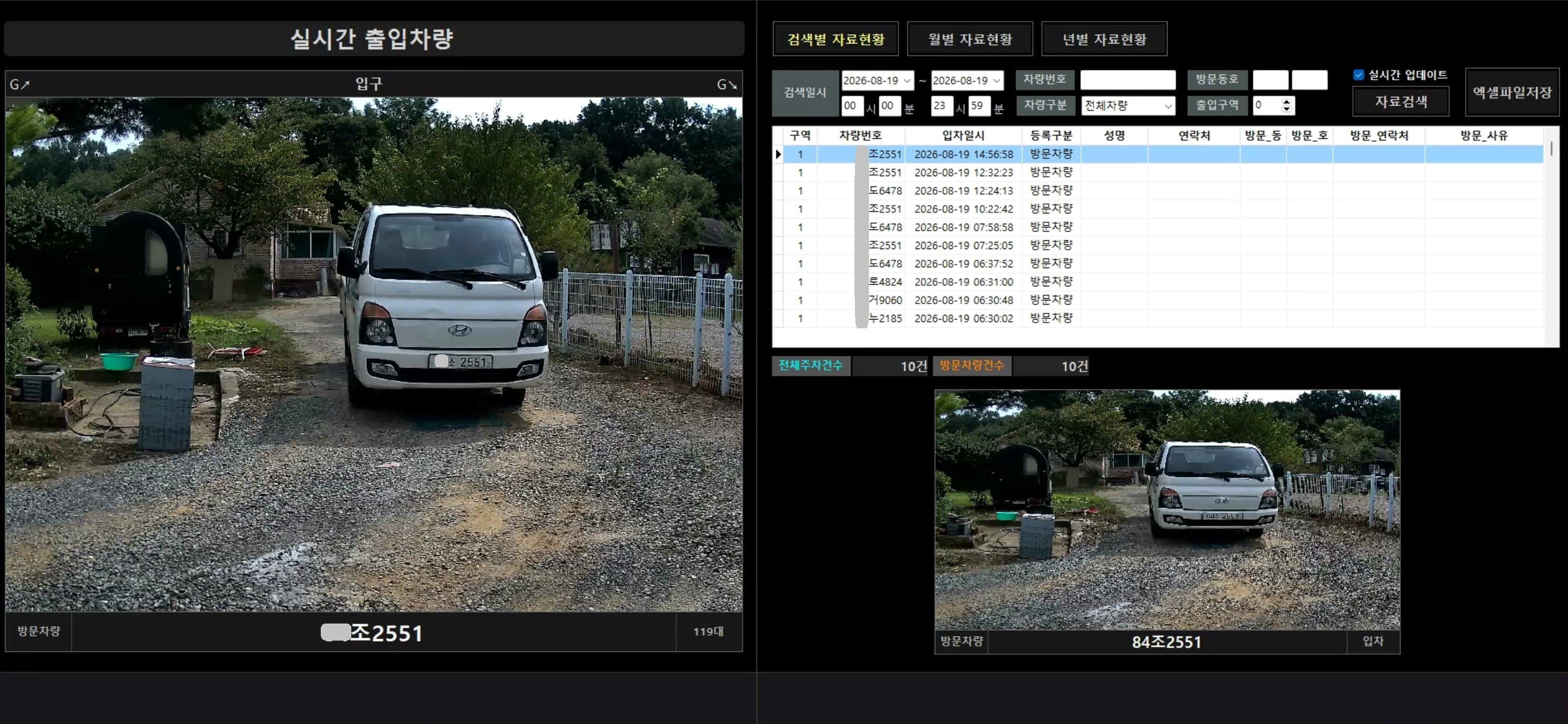
A loop-free system can avoid a buried detection loop on soil or gravel, while the barrier and camera still need stable foundations and protected utilities.
Read guide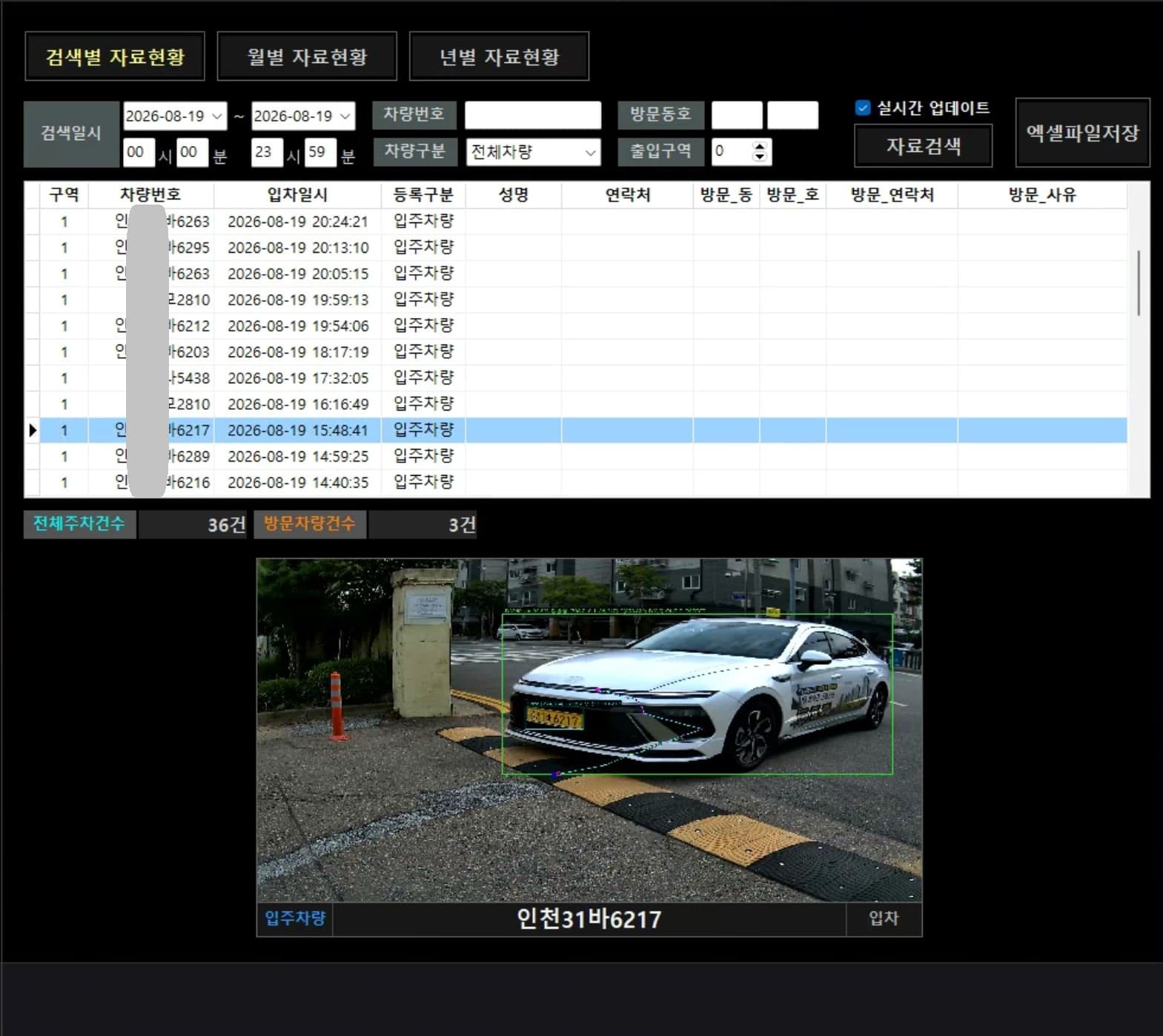
Roadside entrances require early direction analysis, a quick plate capture and safe barrier timing because little queuing distance is available.
Read guide
Reliable unmanned parking depends on documented exception handling and remote operations, not only on the barrier and ANPR accuracy.
Read guide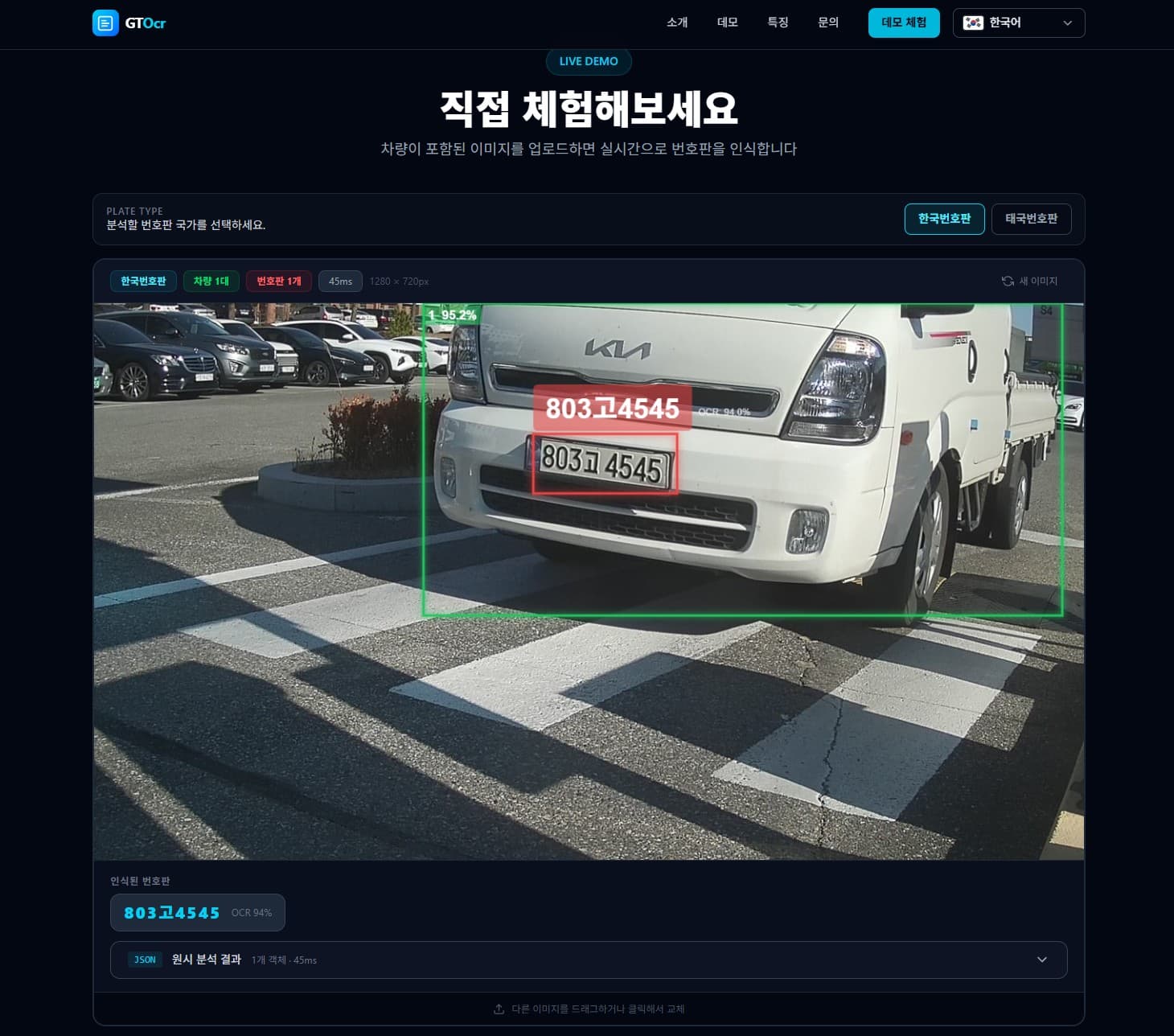
ANPR quality depends on the plate pixels, angle, exposure and consistent lighting at the actual capture point, not megapixels alone.
Read guide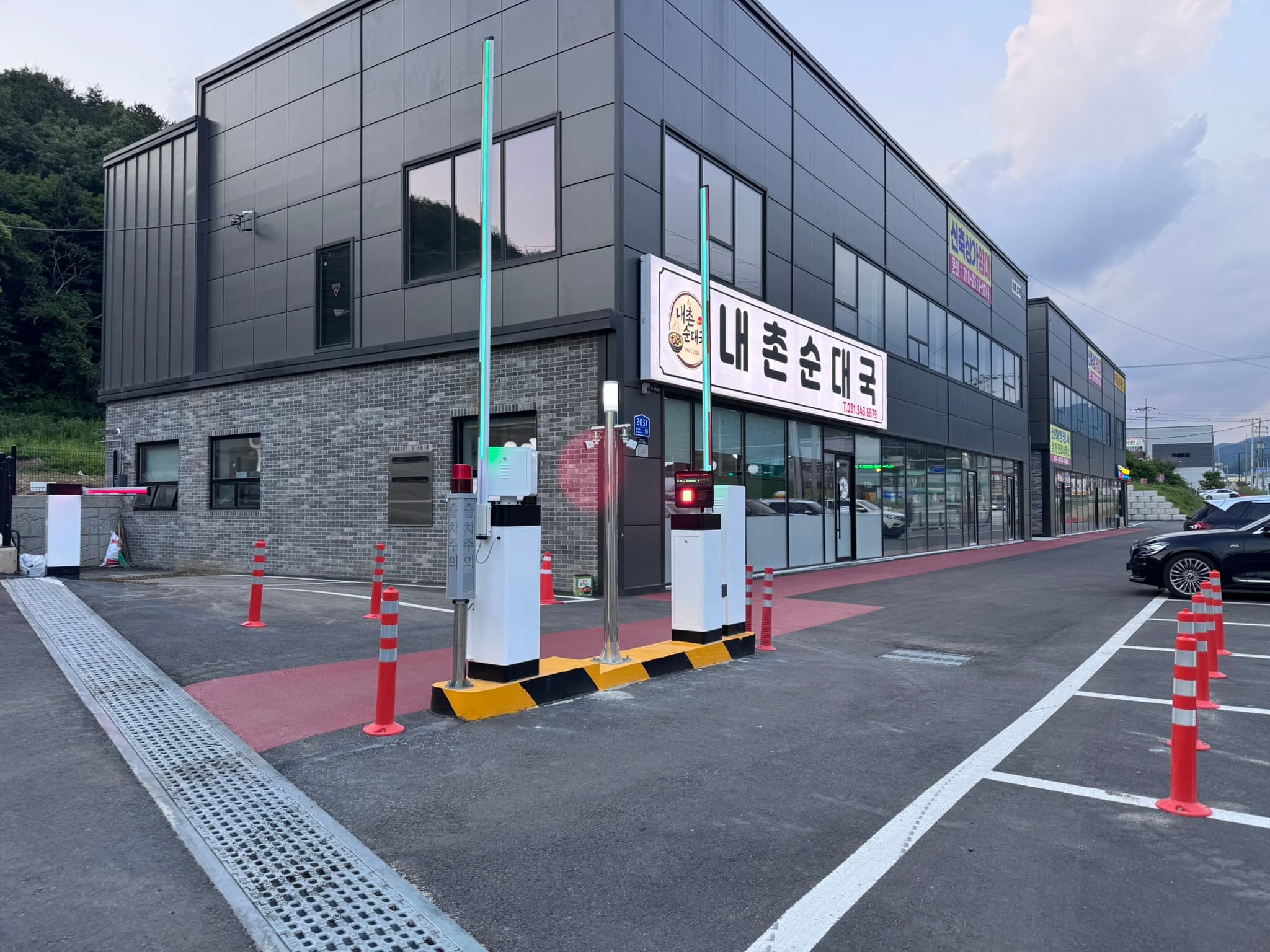
Estimate capacity, realistic paid occupancy and average fee first, then subtract construction, platform, payment, maintenance, tax and land costs.
Read guide